Clothes
Cherry
Cheese
Car
Carrot
Camel
Candy Cane
Camera
Crown
Cow
Chicken
Cat
Cup
Crayon
Chest
Chin
Cheek
Comb
Clothes
Christmas
Circle
Candy
Cake
Cereal
Cracker
Cloudy
Clean
Cold
Showing posts with label preschool. Show all posts
Showing posts with label preschool. Show all posts
Sunday, May 18, 2014

Preschool/Kindergarten Music Appreciation: D is for Decrescendo

Sing Your Gathering Song
Introduce the New Word: The new words for today are Decrescendo and Crescendo. These words have to do with the volume, or dynamics, of a piece of music.
Crescendo - Gradually get louder
Activity: Make "rolling thunder." Sit on hard tile, or put a book or other hard object in front of the children (this works best with a few kids and adults.) Have everyone start slapping the floor with their palms, not in unison, just quickly. Shout "Crescendo!" and have everyone get louder and louder. Once you hit the peak, immediately yell "Decrescendo!" and have everyone get softer and softer. Do this over and over to create the illusion of rolling thunder.
Learn the New Song: There are two choices for the song this week. The first is Danny Boy. This beautiful Irish tune (Londonderry Air) is often thought to be a father singing to his son going of to war in the Irish Diaspora. Listen to it here.
Oh, Danny Boy, the pipes, the pipes are calling
From glen to glen, and down the mountain side,
The summer's gone, and all the roses falling,
It's you, it's you must go and I must bide.
From glen to glen, and down the mountain side,
The summer's gone, and all the roses falling,
It's you, it's you must go and I must bide.
But come ye back when summer's in the meadow,
Or when the valley's hushed and white with snow,
And I'll be here in sunshine or in shadow,
Oh, Danny Boy, oh Danny Boy, I love you so!
Or when the valley's hushed and white with snow,
And I'll be here in sunshine or in shadow,
Oh, Danny Boy, oh Danny Boy, I love you so!
But when ye come, and all the flowers are dying,
If I am dead, as dead I well may be,
Ye'll come and find the place where I am lying,
And kneel and say an Ave there for me;
If I am dead, as dead I well may be,
Ye'll come and find the place where I am lying,
And kneel and say an Ave there for me;
And I shall hear, though soft you tread above me,
And all my grave will warmer, sweeter be,
For you will bend and tell me that you love me,
And I shall sleep in peace until you come to me!
And all my grave will warmer, sweeter be,
For you will bend and tell me that you love me,
And I shall sleep in peace until you come to me!
The other option is "Drunken Sailor." This song was sung by members of the royal navy while doing their chores. Verses were added until the work was through. Early is pronounced, "ear-lie." Listen to it here.
What will we do with a drunken sailor?
What will we do with a drunken sailor?
What will we do with a drunken sailor?
Early in the morning
What will we do with a drunken sailor?
What will we do with a drunken sailor?
Early in the morning
Way hay and up she rises
Way hay and up she rises
Way hay and up she rises
Early in the morning
Way hay and up she rises
Way hay and up she rises
Early in the morning
Shave his belly with a rusty razor
Shave his belly with a rusty razor
Shave his belly with a rusty razor
Early in the morning
Shave his belly with a rusty razor
Shave his belly with a rusty razor
Early in the morning
Way hay and up she rises
Way hay and up she rises
Way hay and up she rises
Early in the morning
Way hay and up she rises
Way hay and up she rises
Early in the morning
Put him in the brig untill he's sober
Put him in the brig untill he's sober
Put him in the brig untill he's sober
Early in the morning
Put him in the brig untill he's sober
Put him in the brig untill he's sober
Early in the morning
Way hay and up she rises
Way hay and up she rises
Way hay and up she rises
Early in the morning
Way hay and up she rises
Way hay and up she rises
Early in the morning
Sing the song through a couple times, being sure to incorporate crescendos and decrescendos!
Introduce the Composer: Claude Debussy was a french composer and one of the most prominent figures of Impressionist music. Probably his most famous piece is "Clair de Lune," which is french for moonlight.
Have the children listen to this beautiful song, it is only five minutes. Tell them it is about moonlight. When do we see the moon? Have them act out the sort of things we do or the sort of animals awake when the moon is shining.
Introduce the Composer: Claude Debussy was a french composer and one of the most prominent figures of Impressionist music. Probably his most famous piece is "Clair de Lune," which is french for moonlight.
Have the children listen to this beautiful song, it is only five minutes. Tell them it is about moonlight. When do we see the moon? Have them act out the sort of things we do or the sort of animals awake when the moon is shining.
Sing Requests
*Note* I'm sorry I'm so late getting this one up. This month has been hard and crazy.
Wednesday, April 9, 2014
Preschool/Kindergarten Music Appreciation: C is for Conduct

Sing Your Gathering Song
Introduce the New Word: Conduct
Coducting is harder than it looks! At its most basic,
conducting is keeping the beat so that everyone in the band or choir stays
together. Conductors do this by waving their hand, or a stick, in the air along
to a beat. There are a few easy, beginning conducting patterns. These are the
ones we’re going to learn today.
The first conducting pattern simply has the hand/stick hit
“bottom” with every beat. If there were something for the stick to click
against, it would sound like a metronome.
The second conducting pattern is in an up/down fashion, with
each beat on the highest and lowest points. Kind of
like the leader of a marching band with their baton. I demonstrate both below.
Now that you know how to help your orchestra keep the beat,
what else do conductors do? They also let the orchestra know when to get loud,
or when to get quiet. When to speed up or slow down. How would you direct to
make an orchestra louder or quieter?
Here’s your conduct card. https://docs.google.com/document/d/1e2MgEqxZ0D0suRtFVjHxsxfIsps5gOPnWp5NHPp7qgQ/pub
Activity: Conduct
your children in singing a song they know well. Twinkle, Twinkle Little Star works
well because every word takes place on a beat. Show them how when you conduct
faster, they sing faster, and the same with slower conducting. Then let each of
them try.
My kids love conducting, although when they want us to go
fast they just wave their hands in crazy circles. That means sing as fast as
humanly possible. But now, my daughter has realized that the real control comes
with slow conducting. So be ready!
Learn the Song: Camptown
Races
This is not the whole song. It’s quite long. But this should
be enough for your little ones.
The Campptown ladies
sing this song,
Doo-da, Doo-da
The Camptown
racetrack's five miles long
Oh, de doo-da day
Goin' to run all night
Goin' to run all day
I bet my money on a
bob-tailed nag
Somebody bet on the
gray
As I was looking up information about this song, I learned
that originally started out as a song making fun of black people and was
written in a form of southern dialect. The song has been scrubbed clean of its
racial overtones and we still sing it, but it definitely has a not-so-nice
history. This isn’t something you really need to bring up with your young ones,
but it is a nice rabbit trail for your older children to learn more about if
they want!
Have your kids direct the new song, being sure to add in
louds, softs, accelerandos and ritardandos.
Introduce the
Composer: The composer for this week is Aaron Copland, one of the most
beloved American composers. You’ll recognize his music instantly! Copland
deliberately wrote music that would be accessible. The style was called
populist. The harmonies in his music are what everyone automatically consider
“American” music.
His most famous pieces are Fanfare for the Common Man,
Rodeo, and Appalachian Spring. Pick one of the songs below. Have your children
close their eyes. First talk about what the music makes you picture. Than have
your children do the same. Once that has run it’s course, turn on Rodeo
(below). Tell your children the name of the song (and explain a rodeo if you
need to) then have your children act it out along to the music!
Fanfare for the Common Man: https://www.youtube.com/watch?v=4NjssV8UuVA&feature=kp
Appalachian Spring: https://www.youtube.com/watch?v=xDRWdNn_nLk
Rodeo (Hoe Down): https://www.youtube.com/watch?v=JIuJVMNNZAM
Sing any Requests
Pull out your flashcards and make sure everyone follows the
instructions!
Tuesday, April 8, 2014
Yosemite Scavenger Hunt for Non-Readers
It's that time of year again! Time for us to head back to our favorite National Park. Yosemite!
Now that we have the hang of what there is to see and do up there with kids, we are busy making plans.
One thing we're doing is a scavenger hunt. My kids can't read yet, so this is a scavenger hunt using pictures.
Are you heading to Yosemite this summer with young children? Feel free to print off a couple copies and take them with you!
Pre-reader Yosemite Scavenger Hunt
Sunday, March 16, 2014
Preschool Week of March 17th - WATER
Art Project
Science Experiments: Make frost, make dew, make rainbows, make ice cream in a bag
Field trip to Aquarium and beach
Circle Time
Poem:
Little Drops of Water
Little drops of water,
Little grains of sand,
Make the mighty ocean
And the pleasant land.
Song: Water Song
(sung to The Bear Came Over the Mountain)
We’re jumping in the water
We’re jumping in the water
We’re jumping in the water
And splashing everywhere
We’re swimming in the water
We’re swimming in the water
We’re swimming in the water
And splashing everywhere
We’re spinning in the water
We’re spinning in the water
We’re spinning in the water
And splashing everywhere
We’re sinking in the water
We’re sinking in the water
We’re sinking in the water
And splashing everywhere
We’re shaking off the water
We’re shaking off the water
We’re shaking off the water
And not splashing…any…more!
Words by Joe Stover
Read science book on water
Map activity: Name the oceans
Go "fishing" for letters with string and a paperclip. Have kids identify letters at the end of the line.
Vocab: solid, liquid, gas, evaporation, condensation, precipitation (water cycle)
Finish reading "Winnie the Pooh," and "My Father's Dragon."
Science Experiments: Make frost, make dew, make rainbows, make ice cream in a bag
Field trip to Aquarium and beach
Circle Time
Poem:
Little Drops of Water
Little drops of water,
Little grains of sand,
Make the mighty ocean
And the pleasant land.
Song: Water Song
(sung to The Bear Came Over the Mountain)
We’re jumping in the water
We’re jumping in the water
We’re jumping in the water
And splashing everywhere
We’re swimming in the water
We’re swimming in the water
We’re swimming in the water
And splashing everywhere
We’re spinning in the water
We’re spinning in the water
We’re spinning in the water
And splashing everywhere
We’re sinking in the water
We’re sinking in the water
We’re sinking in the water
And splashing everywhere
We’re shaking off the water
We’re shaking off the water
We’re shaking off the water
And not splashing…any…more!
Words by Joe Stover
Read science book on water
Map activity: Name the oceans
Go "fishing" for letters with string and a paperclip. Have kids identify letters at the end of the line.
Vocab: solid, liquid, gas, evaporation, condensation, precipitation (water cycle)
Finish reading "Winnie the Pooh," and "My Father's Dragon."
Sunday, December 8, 2013
Christmas Bells Preschool
This week was all about bells in preschool! It started when Jane requested that we sing "Carol of the Bells" for circle time.

Daily circle time: I borrowed my mother-in-law's hand bells and we sang "Carol of the Bells" and played the "ding dong ding dong" parts with the bells. The kids actually did really well with it and seemed to enjoy it. Then we practiced spelling "bell" with these letter beads I found at the store. We also recited "Ride a Cockhorse to Banbury Cross" since that talks about bells.
Day 1: We did a big Christmas sensory tray. It was filled with that fake snow confetti stuff and little doodads from the dollar store. Tiny drums and presents. Cut up pieces of garland. Max played with it for over an hour. You can see how much fun it was from the mess.

I also had the kids do a sorting activity with red, white and green pom poms. They sorted them by size and color.
Day 2: We made Jingle sticks by attaching jingle bells to pipe cleaners and wrapping them around small dowels. Then we sang Jingle Bells and added that to Circle time. These homemade instruments now sit on my piano for anytime we want to sing Christmas songs. Here's a video of the kids kind of singing. We'd already sung it a few times before I took the video so you can tell their interest is waning.
Day 3: We learned about India. We found it on a map and then watched a video of some classical Indian dancing. We talked about the ankle bells they wore, called Ghungroos. I had crocheted some jingle bell anklets the night before. We tied them on our feet and followed a Bollywood dance video. Then I put on a classical Indian music station on Pandora and Jane danced her heart out.


We also did a fun sensory art project. I attached jingles bells to paint brushes and let the kids paint with green red and yellow.
Day 4 was kind of a bust. I was going to do this science experiment with a hanger and string. But then I realized I didn't have a single metal hanger! Not one! I could have done it with a spoon, but by the time I realized I didn't have the materials it was getting late and I had to get Max ready for his tonsilectomy in the morning.
So there you go! A fun, easy preschool week just in time for Christmas.

Thursday, September 5, 2013
After Two Months of Preschool at Home
I have been doing preschool at home for more than two months now. I haven't been good at writing down my lesson plans here, and probably won't be. But you can always check out my pinterest page if you need ideas.
There have been things I have learned and little triumphs. I just want to write them down here.
1. Kids love to learn! They love it.
Exhibit A: My kids ask every day, "Is it circle time yet?" or if I am taking too long getting around to it, "Mom! Let's do circle time!"
Exhibit B: We are learning about butterflies this week. On Tuesday, Jane came to me complaining that we had learned about caterpillars but she still didn't know how a caterpillar turned into a butterfly.
Exhibit C: Today both kids requested (several times) that next week we learn about sea horses. I was personally hoping to do a week just on insects, but you know what? Seahorses sounds good too.
2. It is possible to keep learning, even from preschool.
Last week we learned about spiders. I can't tell you how much I personally learned that I wouldn't have otherwise. For instance, do you know HOW spiders make their silk? I do...now. Did you know they eat their silk? I didn't. Do you know the names of a spider's body parts? I'd forgotten. How about the Bolas spider? Crab spider? Trap-door spider? Have you forgotten how cool they are? I remember now, and it was fun to see my kids get excited about it too.
3. The world really is our classroom. Sometimes we just need to open our eyes.
We took a week or two off from a really focused homeschool. We still did some circle time and reading and art projects, but we had family visiting and were in the mountains so it was spotty. But we still got to talk to the kids about Redwoods, and fire, and animals, and caterpillars, and birds, and California, and a whole bunch of other stuff. The learning didn't stop, we were just more aware to show our kids things when we went out on our walks. We talked with them more and helped show them just how awesome the world really is. And in turn, it became more awesome to me as well.
Just last week we went hunting for spiders. And when I was really looking for them, I found them. Not just found them, but I found them catching and eating insects. I found their eggsacks. It was totally cool!
4. Loosey-Goosey is okay.
I started off planning out every day a week in advance. Now I just plan out the subject, gather my materials, and then go with the flow. We still hit everything. But on hard days we might do more art projects, or book reading. On more focused days we can get to those lapbooks. Flexibility is so nice!
5. Lapbooks! Lapbooks! and more Lapboks!
I didn't know what these were until I started looking at more homeschool websites. But they are a great way for me to make sure I cover certain topics with the kids, keep a record of it, and review it with them. We add to our lapbook for the week every day. Then when Rob comes home, the kids read what we put in there both the old and the new. It is a great way to reinforce concepts. The kids are proud of their work. And we can pull them out a week or two from now and review. Awesome!
6. Kids love spending time with their parents.
I know. I know. This is a no-brainer. But I think one of the biggest reasons my kids love preschool is that it is guaranteed focused time with me. And because its intentional, it actually happens and I don't end up distracted at the end of the day wondering if I spent any time with the kids. Some days are still hard. And there is still sometimes yelling. But I feel a strengthened bond. I feel like I am better able to understand and relate with my kids. I've noticed things about them that I hadn't before. I love that.
7. My kids are learning.
When we started 2 months ago, neither one of my kids was very good at number recognition. Today I realized that they both recognize and can count 1-10. We are working on 11-20, but still. Progress! Two months ago lowercase letters were hopeless. They aren't 100% yet, but we are closer. Progress! On top of that, Jane has blossomed into this artist. She mixes her mediums, creates all sorts of things. She's started mixing colors when she paints. She tries all sorts of techniques. It's amazing!
Learning is amazing.
Kids are amazing.
Being a part of it is amazing.
There have been things I have learned and little triumphs. I just want to write them down here.
1. Kids love to learn! They love it.
Exhibit A: My kids ask every day, "Is it circle time yet?" or if I am taking too long getting around to it, "Mom! Let's do circle time!"
Exhibit B: We are learning about butterflies this week. On Tuesday, Jane came to me complaining that we had learned about caterpillars but she still didn't know how a caterpillar turned into a butterfly.
Exhibit C: Today both kids requested (several times) that next week we learn about sea horses. I was personally hoping to do a week just on insects, but you know what? Seahorses sounds good too.
2. It is possible to keep learning, even from preschool.
Last week we learned about spiders. I can't tell you how much I personally learned that I wouldn't have otherwise. For instance, do you know HOW spiders make their silk? I do...now. Did you know they eat their silk? I didn't. Do you know the names of a spider's body parts? I'd forgotten. How about the Bolas spider? Crab spider? Trap-door spider? Have you forgotten how cool they are? I remember now, and it was fun to see my kids get excited about it too.
3. The world really is our classroom. Sometimes we just need to open our eyes.
We took a week or two off from a really focused homeschool. We still did some circle time and reading and art projects, but we had family visiting and were in the mountains so it was spotty. But we still got to talk to the kids about Redwoods, and fire, and animals, and caterpillars, and birds, and California, and a whole bunch of other stuff. The learning didn't stop, we were just more aware to show our kids things when we went out on our walks. We talked with them more and helped show them just how awesome the world really is. And in turn, it became more awesome to me as well.
Just last week we went hunting for spiders. And when I was really looking for them, I found them. Not just found them, but I found them catching and eating insects. I found their eggsacks. It was totally cool!
4. Loosey-Goosey is okay.
I started off planning out every day a week in advance. Now I just plan out the subject, gather my materials, and then go with the flow. We still hit everything. But on hard days we might do more art projects, or book reading. On more focused days we can get to those lapbooks. Flexibility is so nice!
5. Lapbooks! Lapbooks! and more Lapboks!
I didn't know what these were until I started looking at more homeschool websites. But they are a great way for me to make sure I cover certain topics with the kids, keep a record of it, and review it with them. We add to our lapbook for the week every day. Then when Rob comes home, the kids read what we put in there both the old and the new. It is a great way to reinforce concepts. The kids are proud of their work. And we can pull them out a week or two from now and review. Awesome!
6. Kids love spending time with their parents.
I know. I know. This is a no-brainer. But I think one of the biggest reasons my kids love preschool is that it is guaranteed focused time with me. And because its intentional, it actually happens and I don't end up distracted at the end of the day wondering if I spent any time with the kids. Some days are still hard. And there is still sometimes yelling. But I feel a strengthened bond. I feel like I am better able to understand and relate with my kids. I've noticed things about them that I hadn't before. I love that.
7. My kids are learning.
When we started 2 months ago, neither one of my kids was very good at number recognition. Today I realized that they both recognize and can count 1-10. We are working on 11-20, but still. Progress! Two months ago lowercase letters were hopeless. They aren't 100% yet, but we are closer. Progress! On top of that, Jane has blossomed into this artist. She mixes her mediums, creates all sorts of things. She's started mixing colors when she paints. She tries all sorts of techniques. It's amazing!
Learning is amazing.
Kids are amazing.
Being a part of it is amazing.
Saturday, July 20, 2013
Jack and the Beanstalk - Preschool Unit
Letter: J
Story: Jack and the Beanstalk (here are the printables I used to make magnet board characters)
Rhyme: Oats, Peas, Beans and Barley
Vocab words: cow, bean, hen
Literacy Activity: Compound words. I taped the words corn, bean, and stalk onto separate duplo blocks and we practiced building one word out of two smaller words and then practiced taking away a word and seeing what we were left with. We made the word cornstalk and beanstalk. Then I would take away stalk and the kids would shout out the word we were left with. We did the same thing with cowgirl and cowboy later in the week.
I can't remember what days I did what printables, unless they specifically went with the focus for that day (like I know we did most of the letter J printables on Monday). So I am just going to link to the packet and you just realize that I printed worksheets off and we did them as needed/wanted.
Monday: Letter J
Worksheets
Alphabet sidewalk chalk game (found here)
Tuesday: all about beans
We learned about the life cycle of a bean using this worksheet. Cut and paste in sequential order.
Started our lima bean sprouts in sandwich bags. (Instructions here)
Painted lima beans, said some magic words to make them magic beans, and then planted them. I made the kids draw a picture of what they thought would grow. (Day 1 a sucker stick grew, day 2 a small pompom was added, day 3 a bigger pom-pom, day 4 a sucker!)
Beanstalk art project. (found here)
Wednesday: numbers
Sidewalk chalk beanstalk game. I drew a beanstalk on the sidewalk and numbered the leaves from one-ten. Then I would say "run to the 8" or "skip to the 4". The kids loved it.
Add 'em up dice game. I drew a beanstalk and numbered the leaves 2-12. Using two dice we practiced adding/counting. The first person to roll all the numbers won.
Counting worksheets.
Thursday: Review
I made golden eggs out of yellow construction paper and put a lowercase letter on each one since Miss J has been struggling with those. Every time the kids found one they had to tell me the sound it made before putting it in the bag. Max played this over and over by himself throughout the day.
I cut out cardboard giant feet and attached yarn. The kids took turn feeling like giants and knocking over towers and terrorizing their Fisher Price Little People.
We also added a literature element to our days. I have been reading the first story in A. A. Milne's Winnie the Pooh out loud to the kids. (The one about the balloon and the bees) Then we are working on this lapbook. The book is a bit complex so we read it through slowly and now we are reading it again as we do the lapbook and we will probably read it through a third time as well.
We also started doing a few Brainquest cards at night.
Jane has started reading the first Bob Book, "Mat". I will probably have her read it every day for a week, maybe do these worksheets/activities, and then move on to the next book. She decided she wanted to do this on her own, and so we are taking it very slow and I'm trying not to push anything.
Story: Jack and the Beanstalk (here are the printables I used to make magnet board characters)
Rhyme: Oats, Peas, Beans and Barley
Vocab words: cow, bean, hen
Literacy Activity: Compound words. I taped the words corn, bean, and stalk onto separate duplo blocks and we practiced building one word out of two smaller words and then practiced taking away a word and seeing what we were left with. We made the word cornstalk and beanstalk. Then I would take away stalk and the kids would shout out the word we were left with. We did the same thing with cowgirl and cowboy later in the week.
I can't remember what days I did what printables, unless they specifically went with the focus for that day (like I know we did most of the letter J printables on Monday). So I am just going to link to the packet and you just realize that I printed worksheets off and we did them as needed/wanted.
Monday: Letter J
Worksheets
Alphabet sidewalk chalk game (found here)
Tuesday: all about beans
We learned about the life cycle of a bean using this worksheet. Cut and paste in sequential order.
Started our lima bean sprouts in sandwich bags. (Instructions here)
Painted lima beans, said some magic words to make them magic beans, and then planted them. I made the kids draw a picture of what they thought would grow. (Day 1 a sucker stick grew, day 2 a small pompom was added, day 3 a bigger pom-pom, day 4 a sucker!)
Beanstalk art project. (found here)
Wednesday: numbers
Sidewalk chalk beanstalk game. I drew a beanstalk on the sidewalk and numbered the leaves from one-ten. Then I would say "run to the 8" or "skip to the 4". The kids loved it.
Add 'em up dice game. I drew a beanstalk and numbered the leaves 2-12. Using two dice we practiced adding/counting. The first person to roll all the numbers won.
Counting worksheets.
Thursday: Review
I made golden eggs out of yellow construction paper and put a lowercase letter on each one since Miss J has been struggling with those. Every time the kids found one they had to tell me the sound it made before putting it in the bag. Max played this over and over by himself throughout the day.
I cut out cardboard giant feet and attached yarn. The kids took turn feeling like giants and knocking over towers and terrorizing their Fisher Price Little People.
We also added a literature element to our days. I have been reading the first story in A. A. Milne's Winnie the Pooh out loud to the kids. (The one about the balloon and the bees) Then we are working on this lapbook. The book is a bit complex so we read it through slowly and now we are reading it again as we do the lapbook and we will probably read it through a third time as well.
We also started doing a few Brainquest cards at night.
Jane has started reading the first Bob Book, "Mat". I will probably have her read it every day for a week, maybe do these worksheets/activities, and then move on to the next book. She decided she wanted to do this on her own, and so we are taking it very slow and I'm trying not to push anything.
Thursday, July 11, 2013
Little Red Riding Hood Preschool Unit
Letter: R
Rhyme: A Tisket A Tasket
Literary Exercise: words that rhyme with red
Vocab words: red, wolf, basket
Day 1: Talked about the letter R. Did R and r cookie sorting, letter finding, and writing practice from this worksheet package. Most of the worksheets/games I talk about are from this packet.
Color mixing. We experimented with mixing colors and learned how to make purple, orange and green.
Day 2: Practiced writing the letter R. Did the scrabble letter word building activity.
Made a map to get Little Red Riding Hood to her grandma's house. Then we made a map showing how we got to our grandma's house. Kids had to recount the "directions" to me and then to grammy over the phone.
Day 3: Did the clothespin number wheel and "add 'em up" dice game. We also glued construction paper to make a letter R.
We drew pictures of our grammies and then used proper pronouns and complete sentences to describe them.
Day 4: Shadow matching, Cut and paste following directions with prepositions, pattern worksheet.
Learned about healthy and unhealthy food and planned our picnic.
Day 5: This will happen tomorrow, but we plan to replay some of the games from the last week and went on a picnic. The kids will help make the "healthy food" and put them in our basket. At the picnic I hope to have everyone act out the story of Little Red Riding Hood.
Rhyme: A Tisket A Tasket
Literary Exercise: words that rhyme with red
Vocab words: red, wolf, basket
Day 1: Talked about the letter R. Did R and r cookie sorting, letter finding, and writing practice from this worksheet package. Most of the worksheets/games I talk about are from this packet.
Color mixing. We experimented with mixing colors and learned how to make purple, orange and green.
Day 2: Practiced writing the letter R. Did the scrabble letter word building activity.
Made a map to get Little Red Riding Hood to her grandma's house. Then we made a map showing how we got to our grandma's house. Kids had to recount the "directions" to me and then to grammy over the phone.
Day 3: Did the clothespin number wheel and "add 'em up" dice game. We also glued construction paper to make a letter R.
We drew pictures of our grammies and then used proper pronouns and complete sentences to describe them.
Day 4: Shadow matching, Cut and paste following directions with prepositions, pattern worksheet.
Learned about healthy and unhealthy food and planned our picnic.
Day 5: This will happen tomorrow, but we plan to replay some of the games from the last week and went on a picnic. The kids will help make the "healthy food" and put them in our basket. At the picnic I hope to have everyone act out the story of Little Red Riding Hood.
Monday, July 1, 2013
Fourth of July: More than just red, white, and blue
When I was trying to plan preschool for this week, I knew that I wanted to have the theme be Fourth of July. But I was super disappointed with what I found on the internet as resources for preschool. Most of it was just various, cutesy crafts, painting fireworks, or decorating with red, white and blue. All those things are great, of course, and they are nice to do. But I wanted a lesson plan that really celebrated America and all I was finding was fluff.
So I had to come up with something on my own. I'm sharing some of what we are doing early so that you can do it with your kids, if you would like. Red, White and Blue is nice. But a beginning introduction to what makes America special, our flag, and some American history is better.
First, the flag. This was easiest part because you can find F is for flag worksheets, crafts, lesson plans, etc. Be sure to count the stripes. What does each strip represent? What does each star represent? What are the colors? Who made the flag? All of these questions can be discussed while working on one of the various flag crafts you can find around the internet.
Second, What makes America special? Every day we are briefly discussing what makes America special. I am using the rights guaranteed in the First Amendment as our guide. Here I've included the pictures and quick explanation for each. With younger kids, just this explanation will do. These explanations are, obviously, very simplified. But we're talking about 3-5 year-olds here. With a little bit older kids you may want to discuss further, maybe do a little playacting or something.
Freedom of Religion: We can go to whatever church we want.


Then he climbed the tower of the Old North Church,


Well, I hope you're inspired!
So I had to come up with something on my own. I'm sharing some of what we are doing early so that you can do it with your kids, if you would like. Red, White and Blue is nice. But a beginning introduction to what makes America special, our flag, and some American history is better.
First, the flag. This was easiest part because you can find F is for flag worksheets, crafts, lesson plans, etc. Be sure to count the stripes. What does each strip represent? What does each star represent? What are the colors? Who made the flag? All of these questions can be discussed while working on one of the various flag crafts you can find around the internet.
Second, What makes America special? Every day we are briefly discussing what makes America special. I am using the rights guaranteed in the First Amendment as our guide. Here I've included the pictures and quick explanation for each. With younger kids, just this explanation will do. These explanations are, obviously, very simplified. But we're talking about 3-5 year-olds here. With a little bit older kids you may want to discuss further, maybe do a little playacting or something.
Freedom of Religion: We can go to whatever church we want.
Freedom of Speech: We can say whatever we want.

Freedom of the Press: The news can say whatever it wants.

Freedom of Assembly: We can meet with whoever we want.

And now for the big story of the week! We are talking about Paul Revere! I decided to tell the very simple story and then read (the very abridged) poem by Henry Wadsworth Longfellow. When reading the poem I use the following pictures, a lot of expression, and a ton of sound effects. You HAVE to keep your kids attention. Once Paul Revere takes off on his horse, intersperse throughout the rest of the poem the sound of a horse galloping, followed by "The Redcoats are coming! The redcoats are coming!" (I know he didn't really yell this, but it adds to the drama of the story so I keep it in.) I've included my abridged version of the poem below along with the pictures I use for it. Be sure to make the picture of Paul Revere "gallop". Get into this! It's fun.
Here's a video of me doing it with the kids. They were thrown by the camera, but Jane is usually a lot louder with her sound effects. http://www.youtube.com/watch?v=2eN1corvDqw&feature=youtu.be
Listen my children and you shall hear
Of the midnight ride of Paul Revere,
He said to his friend, “If the British march
By land or sea from the town to-night,
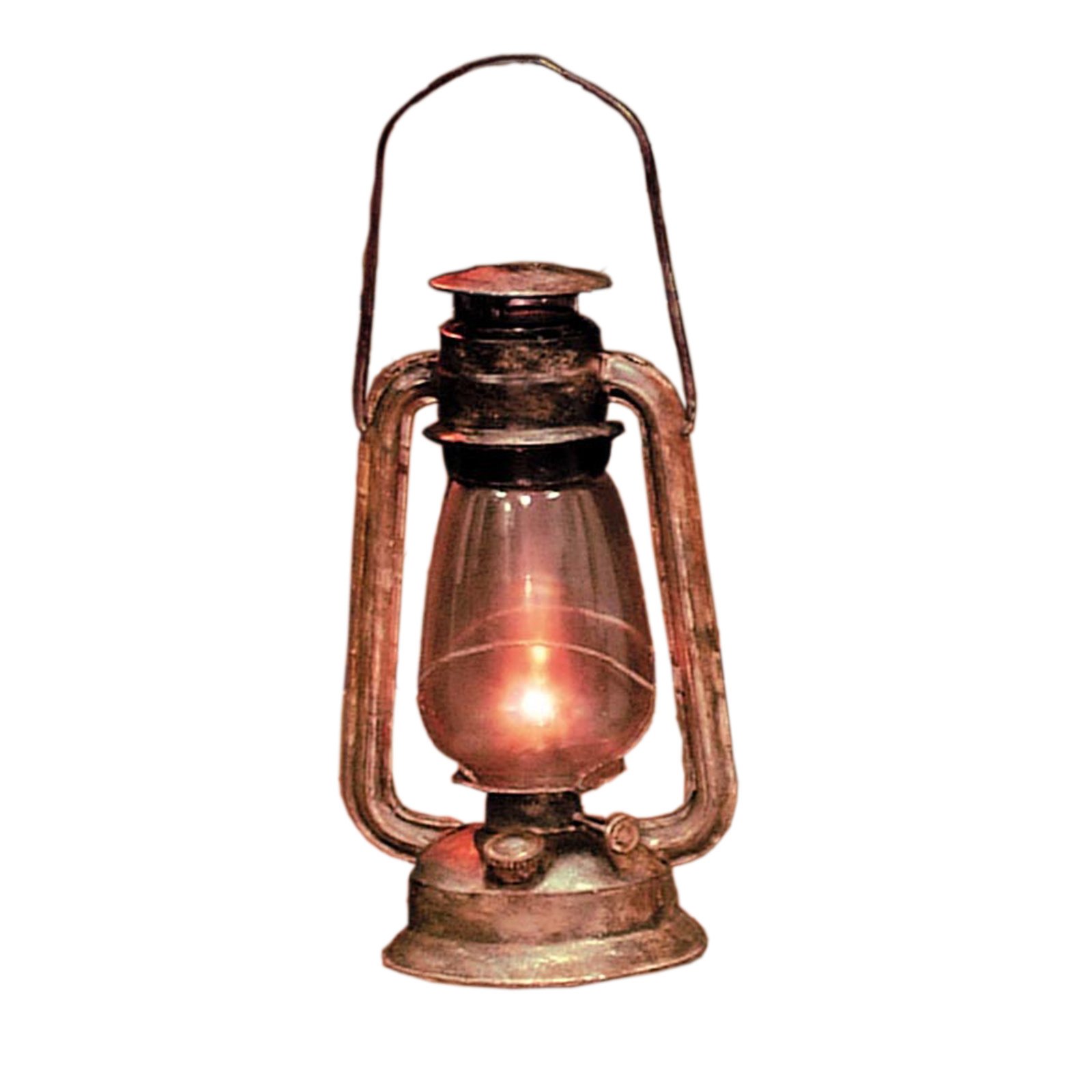
Hang a lantern aloft in the belfry arch
One if by land, and two if by sea;
And I on the opposite shore will be,
Ready to ride and spread the alarm
For the country folk to be up and to arm.”


Meanwhile, his friend through alley and street
Wanders and watches, with eager ears,
Till in the silence around him he hears
The muster of men at the barrack door,
Marching down to their boats on the shore.

And startled the pigeons from their perch
By the trembling ladder, steep and tall,
To the highest window in the wall,


On the opposite shore walked Paul Revere.
Now he patted his horse’s side,
But mostly he watched with eager search
The belfry tower of the Old North Church,
And lo! as he looks, on the belfry’s height
A glimmer, and then a gleam of light!
He springs to the saddle, the bridle he turns,
A second lamp in the belfry burns.
A hurry of hoofs in a village street,
Struck out by a steed flying fearless and fleet;
That was all! And yet, through the gloom and the light,
The fate of a nation was riding that night;
It was twelve by the village clock
When he crossed the bridge into Medford town.
He heard the crowing of the cock,
And the barking of the farmer’s dog,

It was two by the village clock,
When he came to the bridge in Concord town.
He heard the bleating of the flock,

And the twitter of birds among the trees,

You know the rest. In the books you have read
How the British Regulars fired and fled,—
How the farmers gave them ball for ball,
From behind each fence and farmyard wall,

A voice in the darkness, a knock at the door,
And a word that shall echo for evermore!
In the hour of darkness and peril and need,
The people will waken and listen to hear
The hurrying hoof-beats of that steed,
And the midnight message of Paul Revere.
Well, I hope you're inspired!
Sunday, June 30, 2013
Utilizing Expansion and Contraction in my Day
I recently read a book that was basically the introduction to how to do preschool at home with your little ones. Of course, there are probably a lot of these kind of books, but this one had a bit of a Waldorf spin on it, which I love. In the book, there was a section on expansion and contraction throughout our daily routine. At first, it seemed like a bit of weirdness to me, especially with the way the explained it. (And named it. Seriously? When they start asking, "Is your child too expanded? Too contracted? I start wanting to roll my eyes.)
However, when I actually put the idea and practice into place, it makes a big difference!
I've always been big on having a routine with my kids. Not like a down-to-the-minute-this-is-what-we-do sort of routine. But I like, and my kids like, knowing what comes next. I think its an important foundation for little ones (and for adults) and without it we end up feeling frazzled, spread thin, stressed, and disorganized. And it's just hard to have fun when you feel crazy.
So here's the idea behind being aware of expansion and contraction throughout your day.
Expansion is basically relaxation and entertainment. A child's free play falls under this category, as does playing outside.
Contraction is focus and productivity. It's completing a specific task. Think reading stories, doing chores, circle time/preschool, arts and crafts, etc.
Now a good day happens when we balance the two, and children need to go back and forth between the two more frequently than adults. As mothers we naturally do this sometimes. Like when your child just can't handle another second of playing with friends and you know its time to go home. Or when they won't sit through one more story and you know its time for them to go play.
I've tried to keep this idea of flowing back and forth between expansion and contraction in mind as I go through my day with my kids. Max has a tendency to need to go back and forth between the two rather quickly and frequently. When I make sure to vary his day and his activities between the two polarities, he is so much better. We don't get to the point where he is teasing Jane just for fun. But we also don't get to the point where he is throwing crayons across the room. I just try and keep an eye out for when it is time to switch gears.
I didn't know if trying this approach to viewing my day and planning our activities was working until Max's birthday when we took the day of from preschool. The morning was a disaster. I thought it would be fun to just let the kids play all day, but after a while they just ended up fighting non-stop or whining about what we were going to do next.
For some of you awesome moms out there, this idea will be nothing new. But for me, it was a little bit of an "Aha moment" so I thought I'd share!
However, when I actually put the idea and practice into place, it makes a big difference!
I've always been big on having a routine with my kids. Not like a down-to-the-minute-this-is-what-we-do sort of routine. But I like, and my kids like, knowing what comes next. I think its an important foundation for little ones (and for adults) and without it we end up feeling frazzled, spread thin, stressed, and disorganized. And it's just hard to have fun when you feel crazy.
So here's the idea behind being aware of expansion and contraction throughout your day.
Expansion is basically relaxation and entertainment. A child's free play falls under this category, as does playing outside.
Contraction is focus and productivity. It's completing a specific task. Think reading stories, doing chores, circle time/preschool, arts and crafts, etc.
Now a good day happens when we balance the two, and children need to go back and forth between the two more frequently than adults. As mothers we naturally do this sometimes. Like when your child just can't handle another second of playing with friends and you know its time to go home. Or when they won't sit through one more story and you know its time for them to go play.
I've tried to keep this idea of flowing back and forth between expansion and contraction in mind as I go through my day with my kids. Max has a tendency to need to go back and forth between the two rather quickly and frequently. When I make sure to vary his day and his activities between the two polarities, he is so much better. We don't get to the point where he is teasing Jane just for fun. But we also don't get to the point where he is throwing crayons across the room. I just try and keep an eye out for when it is time to switch gears.
I didn't know if trying this approach to viewing my day and planning our activities was working until Max's birthday when we took the day of from preschool. The morning was a disaster. I thought it would be fun to just let the kids play all day, but after a while they just ended up fighting non-stop or whining about what we were going to do next.
For some of you awesome moms out there, this idea will be nothing new. But for me, it was a little bit of an "Aha moment" so I thought I'd share!
Friday, June 28, 2013
Goldilocks and the Three Bears - Preschool Unit
For Circle Time everyday we said our opening verse, did the calendar, reviewed what we'd learned the day before and then said our rhyme. After that we did our literacy activity and I told the kids the story of Goldilocks and the Three Bears using puppets that I mounted onto magnet. The puppets were lost by Wednesday, but at least they were well loved and played with for a couple days.
Rhyme: Pease Porridge Hot
Letter: Bb
Number: 3
Vocab word: Habitat
Literacy Activity: Memory with Opposite Cards (found here) **My kids top out at about 6-8 matches right now. I chose the easiest ones and went from there. You know what your kids can handle."
Day 1: B is for Bear
Look at pictures of different kinds of bears. Name them and see where they live. What do their habitats look like? What do they eat? Talk about how a habitat is an animal home and each habitat has to have a safe place for the bear to live and food available. Tape a picture of each bear onto a world map where that bear lives.
B is for Bear worksheets. and minibook
Watch videos of the four bears we talked about.
Polar bear video https://www.youtube.com/watch?v=OwZH_aT0FGI
Sun bear video https://www.youtube.com/watch?v=Wc8oxe-5dts
Grizzly video http://animal.discovery.com/tv-shows/other/videos/grizzly-bear-videos.htm
Panda video https://www.youtube.com/watch?v=FZjlVUG_APs
Go see the bears at the zoo.
Day 2: Porridge
Make an instruction sheet with 4-6 illustrated steps for making porridge (Cream of Wheat or Oatmeal). Go over the steps with the kids before, during, and after the actual preparation of the porridge. Have the kids help you.
Observe the porridge and make a "word web" describing it. Our describing words for porridge were "White, hot, soft, smooth".
Try the porridge with different toppings and vote on whether you like it with a specific topping or not. Make a simple graph of the Yeas Vs. Nays. Count each vote and then add both sides together to make sure all votes are accounted for (but really to begin teaching basic addition)
Day 3: Number 3
Do 3 Worksheet
Do sizing worksheet. Color, cut, count, sort into small medium and large, glue.
Talk about small, medium, and large throughout the day.
Day 4: Opposites
Set out an opposites exhibit and then have the kids help you label each thing with the appropriate word. We did Hot vs. Cold, Soft Vs. Hard, Wet Vs. Dry. Review each item and word (you're trying to build a little word recognition here)
Do the pattern worksheet
Day 5: Max's Birthday so....no school!
Rhyme: Pease Porridge Hot
Letter: Bb
Number: 3
Vocab word: Habitat
Literacy Activity: Memory with Opposite Cards (found here) **My kids top out at about 6-8 matches right now. I chose the easiest ones and went from there. You know what your kids can handle."
Day 1: B is for Bear
Look at pictures of different kinds of bears. Name them and see where they live. What do their habitats look like? What do they eat? Talk about how a habitat is an animal home and each habitat has to have a safe place for the bear to live and food available. Tape a picture of each bear onto a world map where that bear lives.
B is for Bear worksheets. and minibook
Watch videos of the four bears we talked about.
Polar bear video https://www.youtube.com/watch?v=OwZH_aT0FGI
Sun bear video https://www.youtube.com/watch?v=Wc8oxe-5dts
Grizzly video http://animal.discovery.com/tv-shows/other/videos/grizzly-bear-videos.htm
Panda video https://www.youtube.com/watch?v=FZjlVUG_APs
Go see the bears at the zoo.
Day 2: Porridge
Make an instruction sheet with 4-6 illustrated steps for making porridge (Cream of Wheat or Oatmeal). Go over the steps with the kids before, during, and after the actual preparation of the porridge. Have the kids help you.
Observe the porridge and make a "word web" describing it. Our describing words for porridge were "White, hot, soft, smooth".
Try the porridge with different toppings and vote on whether you like it with a specific topping or not. Make a simple graph of the Yeas Vs. Nays. Count each vote and then add both sides together to make sure all votes are accounted for (but really to begin teaching basic addition)
Day 3: Number 3
Do 3 Worksheet
Do sizing worksheet. Color, cut, count, sort into small medium and large, glue.
Talk about small, medium, and large throughout the day.
Day 4: Opposites
Set out an opposites exhibit and then have the kids help you label each thing with the appropriate word. We did Hot vs. Cold, Soft Vs. Hard, Wet Vs. Dry. Review each item and word (you're trying to build a little word recognition here)
Do the pattern worksheet
Day 5: Max's Birthday so....no school!
Friday, June 21, 2013
Preschool - Star Unit
We've started doing home preschool and so far it has been great. I thought I would record my lesson plans here in case you need ideas of your own.
Preschool starts everyday with circle time. We say an opening rhyming verse, do the calendar, and then sing a song or do a fingerplay or something like that. After that I talk about the theme for the week, cover the information we've already talked about, etc. Then I do a literacy/reading activity. We say a quick closing rhyme and go make our beds and do a few other chores. After that I intersperse the rest of the morning with theme based activities or worksheets in between chores or free play time. Phew! Did you get all that?
So here's what we did this week.
Song: "Twinkle, Twinkle Little Star"
Literacy Activity: Rhyming words. We change each word by putting a different letter/letters at the beginning of the word and then patting our legs and chanting all the rhyming words we've come up with. (i.e. pat, cat, hat, bat, pat, cat, hat, bat) I started with -at words before I knew I was doing stars and so we stuck with it, but discussing words that rhyme with star (far, bar, jar, car) would be great.
Theme: Stars
Letter: S Worksheet Mini book We mostly just practiced writing the letter "S" and talking about words that start with S.
Number: 5 Worksheet Worksheet
Additional activity: I printed out a basic star shape. We counted the "points" on the star. Then each child counted out five cotton balls and glued a cotton ball to each point.
We numbered the fingers on our hand from 1-5
Vocab word: Constellation
.jpg)
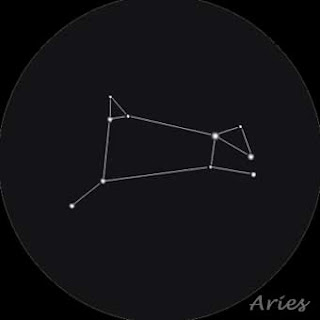


I printed out these pictures and we talked about how constellations were pictures made out of stars. Then we tried to figure what each of these constellations were. After guess I told them each constellations name and we tried to see the picture in it.
Activity: Using foam star stickers and a sheet of black foam we each made our own "constellation". You could easily do this with small gold stars and black contruction paper as well.
Additional Activities: Using the page below, I cut out every star except the big one. I let the kids try their hand at cutting out the big star. ** Then we counted all our stars. I gave each child a piece of construction paper broken into three sections, labeled "Small", "Medium", and "Large". Then I had each child sort the stars into the three categories. A few of the stars were kind of on the border between the two, so it was interesting to see how each child sorted them. After that we glued each star onto the paper and the counted how many stars were in each section and wrote down the number. We counted all the stars again to make sure we still had 11.

**My 4.5 year old is getting pretty good with scissors, but cutting out stars is hard. So many turns of the paper. So be ready to help. My three year old just cut the star in to little pieces, which I figured was fine. Don't get worried about perfection. The process is more important.**
Talk about wishing on a star. Chant "Star light, star bright" rhyme and everyone talks about their wish.
Give everyone a paper star and practice following instructions on where to place the star with words like "above", "behind", "next to", "in front of" etc.
Talk about the life cycle of a star. This chart seems simple enough. Make two copies, but cut one up so that the children have to practice sequencing. This is kind of an abstract concept, but if they have their own picture to use as a reference, it will help. The talking and new vocab words are most important.

Preschool starts everyday with circle time. We say an opening rhyming verse, do the calendar, and then sing a song or do a fingerplay or something like that. After that I talk about the theme for the week, cover the information we've already talked about, etc. Then I do a literacy/reading activity. We say a quick closing rhyme and go make our beds and do a few other chores. After that I intersperse the rest of the morning with theme based activities or worksheets in between chores or free play time. Phew! Did you get all that?
So here's what we did this week.
Song: "Twinkle, Twinkle Little Star"
Literacy Activity: Rhyming words. We change each word by putting a different letter/letters at the beginning of the word and then patting our legs and chanting all the rhyming words we've come up with. (i.e. pat, cat, hat, bat, pat, cat, hat, bat) I started with -at words before I knew I was doing stars and so we stuck with it, but discussing words that rhyme with star (far, bar, jar, car) would be great.
Theme: Stars
Letter: S Worksheet Mini book We mostly just practiced writing the letter "S" and talking about words that start with S.
Number: 5 Worksheet Worksheet
Additional activity: I printed out a basic star shape. We counted the "points" on the star. Then each child counted out five cotton balls and glued a cotton ball to each point.
We numbered the fingers on our hand from 1-5
Vocab word: Constellation
.jpg)


I printed out these pictures and we talked about how constellations were pictures made out of stars. Then we tried to figure what each of these constellations were. After guess I told them each constellations name and we tried to see the picture in it.
Activity: Using foam star stickers and a sheet of black foam we each made our own "constellation". You could easily do this with small gold stars and black contruction paper as well.
Additional Activities: Using the page below, I cut out every star except the big one. I let the kids try their hand at cutting out the big star. ** Then we counted all our stars. I gave each child a piece of construction paper broken into three sections, labeled "Small", "Medium", and "Large". Then I had each child sort the stars into the three categories. A few of the stars were kind of on the border between the two, so it was interesting to see how each child sorted them. After that we glued each star onto the paper and the counted how many stars were in each section and wrote down the number. We counted all the stars again to make sure we still had 11.
**My 4.5 year old is getting pretty good with scissors, but cutting out stars is hard. So many turns of the paper. So be ready to help. My three year old just cut the star in to little pieces, which I figured was fine. Don't get worried about perfection. The process is more important.**
Talk about wishing on a star. Chant "Star light, star bright" rhyme and everyone talks about their wish.
Give everyone a paper star and practice following instructions on where to place the star with words like "above", "behind", "next to", "in front of" etc.
Talk about the life cycle of a star. This chart seems simple enough. Make two copies, but cut one up so that the children have to practice sequencing. This is kind of an abstract concept, but if they have their own picture to use as a reference, it will help. The talking and new vocab words are most important.

I'd say go outside and find a constellation, but it's the summer solstice this week and my kids are in bed before the stars are out.
You can do whatever you want on each day. I personally broke up the days. So one was about "S", one about "5", one about "constellation", one about the life cycle of a star. But we built on everything each day and so continued to talk about the letter and number and constellations even when it wasn't the main focus that day.
The kids have seemed to really love it and I feel like it's been a good mix of literacy, science, some history, vocab, math, writing, etc.
Subscribe to:
Posts (Atom)